


Beyond ‘Let Me Know’: How to Offer Real Support Without Adding Pressure
The Unintended Burden of an Open Ended Offer
“Let me know if you need anything” is usually meant as kindness. Yet for someone facing illness, bereavement, or caregiver fatigue, it can quietly create another task: identifying what is needed, deciding whether it is reasonable to ask, choosing the right person, explaining the details, and following up. When energy is already being spent on appointments, medication, paperwork, childcare, funeral arrangements, or simply getting through the day, coordinating help may feel impossible.
Real support reduces that administrative load. Instead of placing the next move on the person in crisis, offer one small, specific action with an easy way to decline. A meal left at the door, a grocery order placed with permission, or a short text that requires no reply can provide relief without demanding conversation. Guidance from Memorial Sloan Kettering similarly emphasizes concrete assistance, respect for personal preferences, and continued support after the first urgent days have passed.
Understanding Decision Fatigue in Times of Crisis
A serious health challenge or sudden loss consumes more than emotional energy. It also occupies attention, memory, judgment, and planning capacity. A patient may be comparing treatment options, tracking symptoms, managing side effects, or trying to understand unfamiliar medical language. Someone grieving may be handling legal documents, notifying relatives, arranging services, and responding to messages while feeling unable to complete ordinary household tasks. A caregiver may be making repeated decisions from morning until night, often with little uninterrupted rest.
Caregiver burnout is commonly described as physical, emotional, and mental exhaustion caused by sustained responsibility for another person”s health and safety. The Cleveland Clinic”s guidance on caregiver burnout identifies symptoms such as poor concentration, irritability, sleep or appetite changes, withdrawal, hopelessness, and frequent illness. These are not signs of ingratitude or personal failure. They are signals that demands have exceeded available resources for too long.
Decision fatigue also creates hidden guilt. A caregiver may look at an offer of help and immediately calculate the cost of accepting it. Will the person need directions? Will the visit require cleaning first? Will declining hurt someone”s feelings? Is the offered food suitable for the patient”s treatment or dietary needs? Even a generous offer can therefore become another decision to postpone. Clinical literature on cognitive overload and emotional distress examines how sustained mental strain can intensify caregiver burden; readers seeking the underlying research can review this peer-reviewed health literature.
- Replace “What can I do?” with one clearly defined task.
- Offer a timeframe, such as today, tomorrow, or this weekend.
- Ask only for information that is genuinely necessary.
- Make declining easy and emotionally safe.
- Continue offering practical support after the initial crisis has faded.
The Low Friction Matrix for Concrete Help
The difference between high-friction and low-friction support is often found in who must do the organizing. “I can help with anything” sounds broad, but the recipient must turn it into a plan. “I am ordering groceries for delivery on Thursday; send a short list if useful, or simply reply “not this week”” creates a complete, manageable option. The second message gives control without requiring the person to design the assistance.
| Area of need | High-friction offer | Low-friction action |
|---|---|---|
| Nutrition | “Let me know if you need meals.” | “A treatment-friendly dinner can be left at your door Wednesday at 6 p.m. Reply only if that does not work.” |
| Household chores | “I can help around the house.” | “A cleaner can be booked for the kitchen and bathroom, or the service can be declined with no explanation.” |
| Errands | “Tell me if you need anything from town.” | “A pharmacy and grocery run is planned for Saturday morning. Text a short list by Friday, or ignore this message.” |
| Childcare and pets | “Call if you need a break.” | “The children can be picked up from school Tuesday and returned after dinner.” |
| Communication | “Keep everyone updated when you can.” | “With permission, one family contact can share updates so repeated explanations are unnecessary.” |

Specific help should still be tailored to the person”s circumstances. Food may conflict with treatment needs, nausea, allergies, cultural preferences, or limited appetite. A short list of acceptable items may be more useful than a surprise meal. The American Cancer Society”s practical guidance recommends consulting the patient or caregiver before organizing meals, transportation, household tasks, or other assistance.
Mastering the Art of Opt Out Phrasing
Opt out phrasing removes the social work hidden inside accepting help. The recipient should not need to reassure the supporter, provide a detailed explanation, or manage disappointment. A useful message contains four elements: the action, the time, the delivery method, and permission to decline. It can also state that no response is needed unless the offer is wanted.
Try language such as, “A grocery delivery can be arranged for Thursday. If useful, send up to five items by Wednesday evening. If not, no reply is needed.” Another option is, “A porch drop with soup, fruit, and bottled water is planned for tomorrow afternoon. Please text only if there are dietary concerns.” For a grieving friend, “There is no need to answer this message. A prepared meal will be left outside on Sunday, and it can be ignored or passed along if it is not helpful.”
Boundaries make offers more sustainable. A colleague might write, “A work update can be shared with the team so you do not need to repeat the situation. If you prefer privacy, simply say so.” A neighbor might say, “The driveway can be cleared after the next snowfall; no visit is involved.” These statements provide support without implying unlimited availability. They also preserve dignity by treating the recipient as the decision-maker rather than as helpless.
- “No response is needed unless this would be useful.”
- “There is no need to explain if the timing is wrong.”
- “This offer is available once, and it can be declined completely.”
- “A short “yes,” “no,” or no reply at all is enough.”
- “Plans can change without apology.”
Practicing Porch Drops and Invisible Logistics
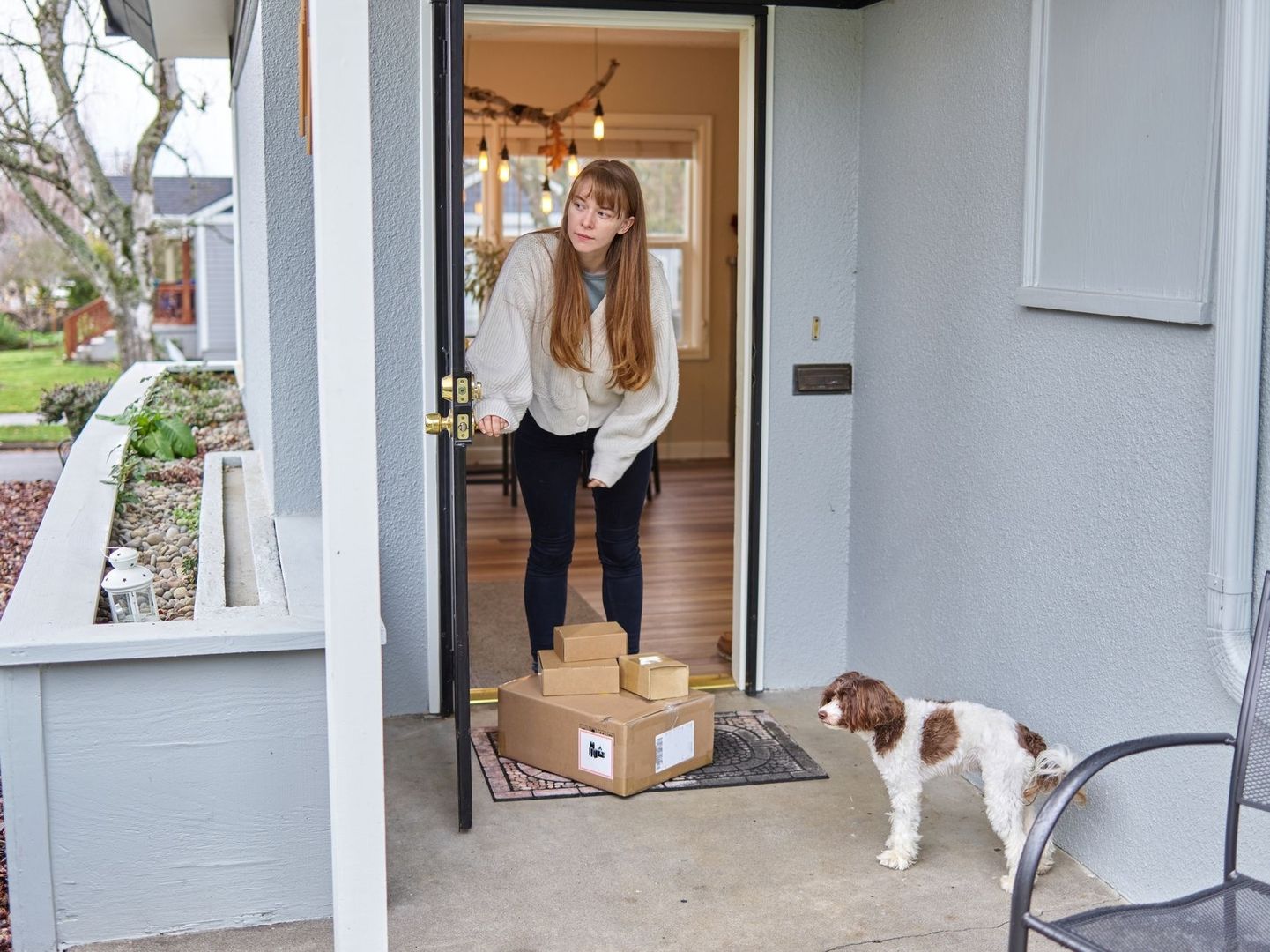
Quiet assistance works best when it respects rest, privacy, infection concerns, and changing energy levels. A porch drop avoids requiring someone to host, tidy the house, or perform gratitude at the door. The same principle applies to digital logistics: one designated person can coordinate meal deliveries, transport, updates, or rotating errands so the patient and primary caregiver are not answering the same questions repeatedly.
- Ask once about essential preferences, such as allergies, delivery instructions, privacy needs, or safe visiting boundaries.
- Choose one concrete task and set a realistic time rather than offering unlimited availability.
- Confirm whether the item should be left outside, delivered through a service, or handed to a designated person.
- Send a brief completion message, without requiring acknowledgment.
- Keep a simple schedule if several people are helping, and remove tasks when the family indicates that support is no longer needed.
Reliability matters more than intensity. Someone in crisis may not be able to engage warmly, answer quickly, or show visible appreciation. Fatigue, pain, medication, shock, and grief can all affect communication. A brief delivery, a quiet text, or a regular household task can communicate care without demanding emotional performance. Support should also continue after diagnosis, hospitalization, or the funeral, because outside attention often decreases while practical needs remain.
Some crises involve prolonged stress, trauma, isolation, or complicated grief that practical help alone cannot resolve. Families connected to military service may benefit from specialized counseling and peer resources through VA mental health services, which include counseling, grief support, caregiver resources, telehealth, and crisis assistance for eligible Veterans and others in urgent situations. A friend”s role is not to replace professional care. It is to notice strain, make access easier, and remain steady while the person decides what support is appropriate.
Becoming the Steady Anchor Someone Needs Today
Meaningful support rarely depends on a grand gesture. It is built through small actions that are predictable, respectful, and easy to receive. A weekly grocery run, a school pickup, a short message with no response required, or a carefully timed porch drop can restore a small amount of order when life feels unmanageable. The aim is not to take control. It is to remove avoidable decisions while leaving the recipient in control of personal boundaries.
Before sending an offer, use this brief check:
- Is the action specific enough to accept without planning?
- Does it match the person”s health, preferences, privacy, and energy?
- Have unnecessary questions been removed?
- Can the person decline without apologizing or explaining?
- Is the timing clear, and can the offer be repeated later?
- Would the action still be helpful if no reply or gratitude arrived?
When the answer is yes, support becomes more than an expression of concern. It becomes practical relief. Steady, unglamorous care can create emotional safety because it shows that someone is willing to help without adding another obligation. In difficult seasons, that quiet reliability is often where hope becomes visible.